
Why Community-Driven Games Win in the Long Run
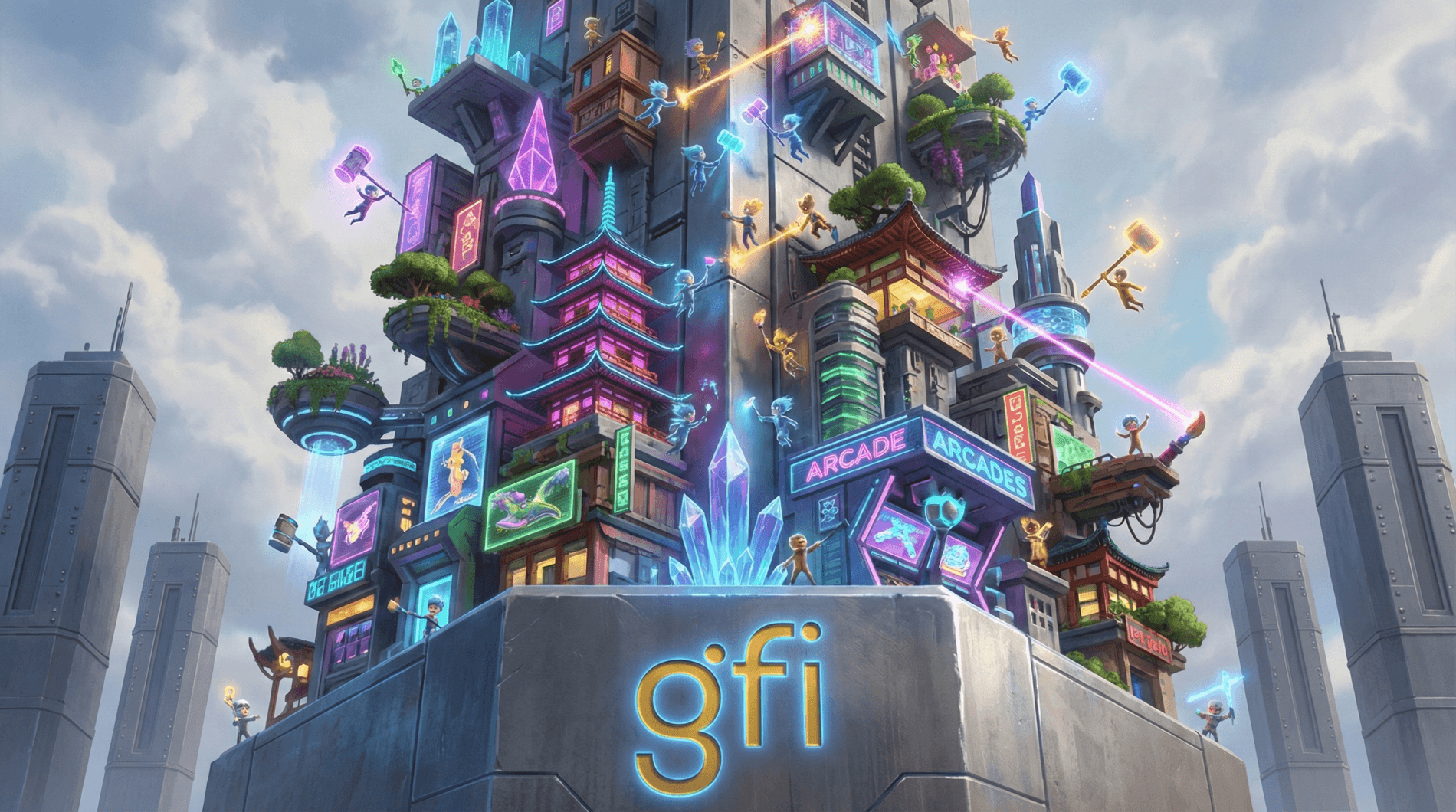
In today’s gaming landscape, success is no longer defined by launch-day hype alone. The games that truly last are the ones that build strong, active communities around them.
Community-driven games turn players into collaborators, advocates, and long-term supporters. When players feel heard and valued, they don’t just play the game—they help it grow.
Games Are No Longer One-Way Experiences
Modern players expect more than just content; they expect participation. Games are evolving from one-way entertainment products into living ecosystems shaped by player feedback and interaction.
Community-driven development creates a sense of ownership. Players who feel involved are more invested emotionally, leading to higher retention and stronger word-of-mouth growth.
The most successful games today aren’t just designed for players. They’re built with them.
- Gabe Newell, Co-founder of Valve
Player Feedback Shapes Better Games
Communities provide real-time insights that no internal test can fully replicate. From balance issues to feature requests, player feedback helps developers make informed decisions.
Games that actively listen and respond to their communities evolve faster and more effectively. This feedback loop builds trust and ensures the game aligns with what players actually want—not just what developers assume they want.
Strong Communities Drive Organic Growth
A passionate community becomes a game’s strongest marketing engine. Players create content, share experiences, stream gameplay, and invite others to join.
Community-driven growth is authentic and sustainable. Instead of relying solely on paid marketing, games grow through genuine enthusiasm and social engagement that can’t be easily replicated by competitors.
Long-Term Engagement Beyond Content Updates
Frequent updates matter, but community interaction matters more. Events, discussions, contests, and shared goals keep players engaged even between major releases.
When players connect with each other—not just the game they stay longer. A thriving community transforms a game into a social experience that extends far beyond gameplay mechanics.
Conclusion
Community-driven games don’t just survive—they evolve. By empowering players, listening actively, and fostering meaningful connections, developers create games that grow stronger over time.
In the long run, communities are what keep games alive. The studios that understand this don’t just build games—they build worlds players want to belong to.
Where Indie Game Development Is Headed in the New Web3 Gaming Era
How We Design and Build Games for Web3 Communities and Real Players
Search
Categories
Latest News
 How GameFi Is Changing the Way Players Own, Play, and Earn in Games
 How We Design and Build Games for Web3 Communities and Real Players
 Where Indie Game Development Is Headed in the New Web3 Gaming Era
 Game Spotlight: A Closer Look at Innovative Indie Titles
 What Makes a Game Successful in Today’s Market