
Where Indie Game Development Is Headed in the New Web3 Gaming Era
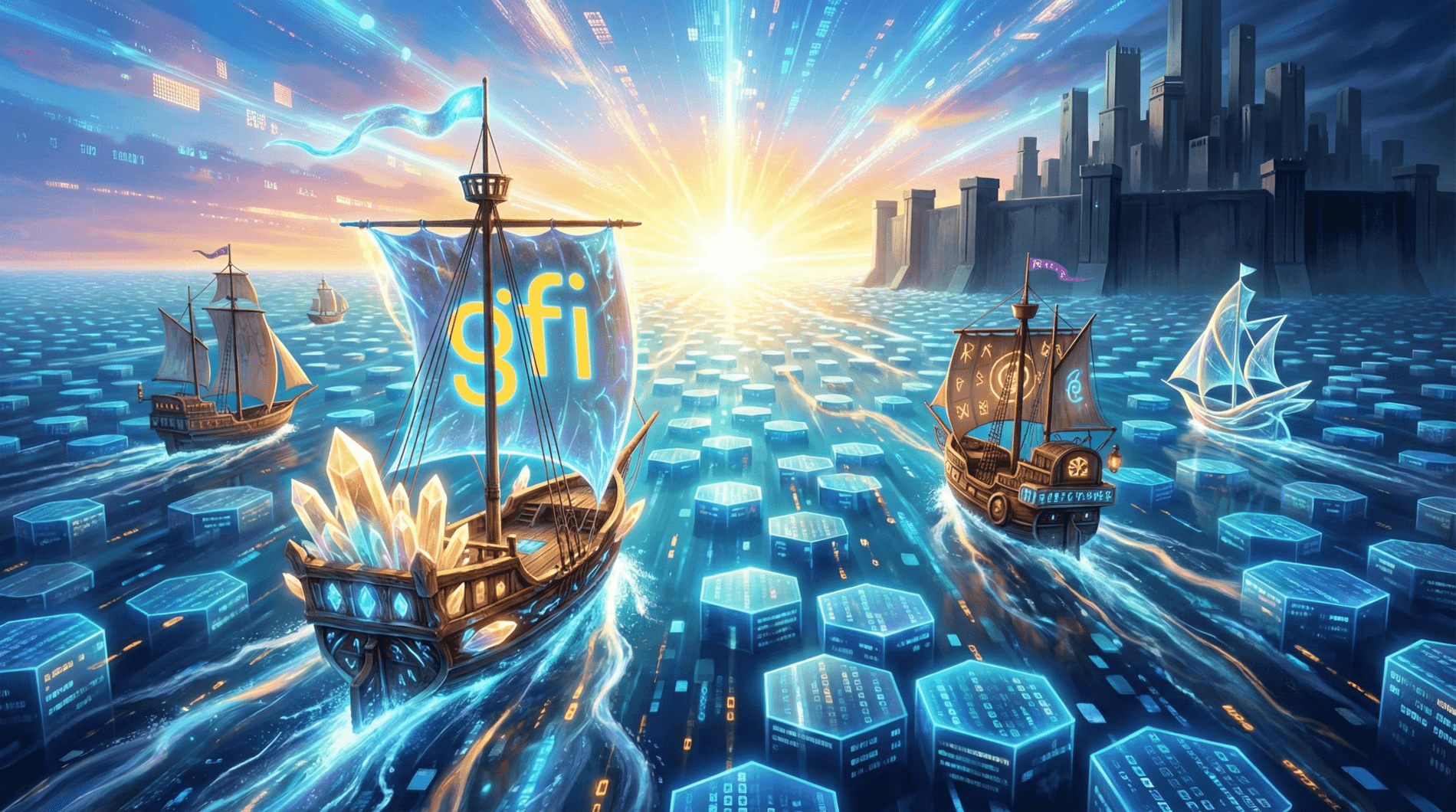
Indie game development has always been about creativity, freedom, and experimentation. In the Web3 gaming era, indie studios are gaining access to tools and opportunities that were once reserved for large publishers. Blockchain technology, decentralized communities, and new ownership models are reshaping how indie games are funded, built, and sustained.
This shift is opening doors for smaller teams to compete globally without compromising their creative vision.
The Rise of Creative Freedom for Indie Developers
Traditional game publishing often limits creative control through strict deadlines, monetization demands, and publisher-led decisions. Web3 is changing that dynamic by allowing indie developers to retain ownership of their projects.
With decentralized funding models, early community support, and transparent development roadmaps, indie studios can now build games aligned with their original vision. Developers are no longer forced to chase trends, they can create unique experiences that resonate with niche audiences.
This freedom is fueling innovation and encouraging bold design choices that stand out in a crowded market.
Web3 gives indie developers something priceless—freedom to create without losing ownership or vision.
- Independent Game Creator
Community-Led Development Is Becoming the Norm
In the Web3 era, communities are no longer just players they are collaborators. Indie developers are increasingly involving their audiences early in the development process through feedback loops, playtests, and governance models.
This approach helps studios:
- Validate ideas before full-scale development
- Build loyal player bases from day one
- Reduce launch risks through early engagement
By listening to their communities, indie teams can iterate faster and build games that truly reflect player expectations.
New Monetization Models Beyond Traditional Sales
Web3 introduces flexible monetization options that go beyond one-time purchases or in-app ads. Indie developers can now experiment with player-owned assets, tokenized rewards, and community-driven economies.
When designed responsibly, these systems:
- Reward long-term engagement
- Align player success with game growth
- Support sustainable development post-launch
This shift allows indie games to survive and evolve without relying on aggressive monetization tactics that often hurt player trust.
Lower Barriers, Bigger Opportunities
Advancements in game engines, blockchain infrastructure, and middleware tools are lowering the technical barrier for indie teams entering Web3. Developers can now focus more on gameplay and storytelling rather than complex backend systems.
At the same time, global distribution through decentralized platforms gives indie games visibility that was once hard to achieve. Small teams can reach international audiences, attract contributors, and scale organically without massive marketing budgets.
Conclusion
The future of indie game development in the Web3 era is filled with possibility. By combining creative freedom, community-driven development, and innovative monetization models, indie studios are redefining what’s possible in gaming.
As technology continues to mature, the most successful indie games will be those that prioritize fun, fairness, and meaningful player involvement. Web3 isn’t replacing indie creativity it’s amplifying it.
Where Indie Game Development Is Headed in the New Web3 Gaming Era
How We Design and Build Games for Web3 Communities and Real Players
Search
Categories
Latest News
 How GameFi Is Changing the Way Players Own, Play, and Earn in Games
 How We Design and Build Games for Web3 Communities and Real Players
Where Indie Game Development Is Headed in the New Web3 Gaming Era
How We Design and Build Games for Web3 Communities and Real Players
Where Indie Game Development Is Headed in the New Web3 Gaming Era
 Game Spotlight: A Closer Look at Innovative Indie Titles
 What Makes a Game Successful in Today’s Market